Unit 3.6. Water Privatization and Issues
Instructor: Dr. Marirajan Thiruppathi
Associate Instructor: Dr. Nusrat Yaqoob
In the previous session on Transboundary Water Conflicts and Treaties (3.5), we explored the definition of transboundary water, key treaties governing shared water resources, and conflicts arising from competing national interests. Effective transboundary water management is essential for fostering regional cooperation, preventing conflicts, and ensuring sustainable development.
Access to clean and safe water is a fundamental human right. However, increasing demand for water, coupled with financial limitations in public water management, has led many governments to consider privatization as an alternative approach. Water privatization involves transferring control of water supply and services from the public sector to private entities. Proponents argue that privatization enhances efficiency, attracts investment, and improves service delivery, while critics raise concerns regarding affordability, equity, and public accountability (Heller et al., 2020).
This session examines the concept of water privatization, its various models, associated challenges, and real-world implications. A special focus will be placed on the Cochabamba Water War in Bolivia, a significant case study illustrating the risks of privatization when social and economic factors are not adequately considered. Interactive components in this module will enable learners to critically evaluate the advantages and disadvantages of water privatization across different contexts.
By the end of this module, learners should be able to comprehensively analyze water privatization, including its various models, benefits, and challenges, while critically assessing its social, economic, and political implications. Learners will also explore the Cochabamba Water War as a case study, enabling them to evaluate alternative approaches to water governance and propose sustainable solutions for equitable and efficient water management.
3.6.1 What is Water Privatization?
Water privatization refers to the transfer of management, operation, or ownership of water services from public institutions to private entities. Many governments pursue privatization as a strategy to attract investment, improve service efficiency, and expand infrastructure, particularly in regions where public water utilities struggle with financial and operational constraints. However, privatization also brings complex economic, social, and ethical challenges, particularly concerning affordability, access, and public accountability (Hall & Lobina, 2006; Swyngedouw, 2005; Ruiters, 2005; Prasad, 2006).
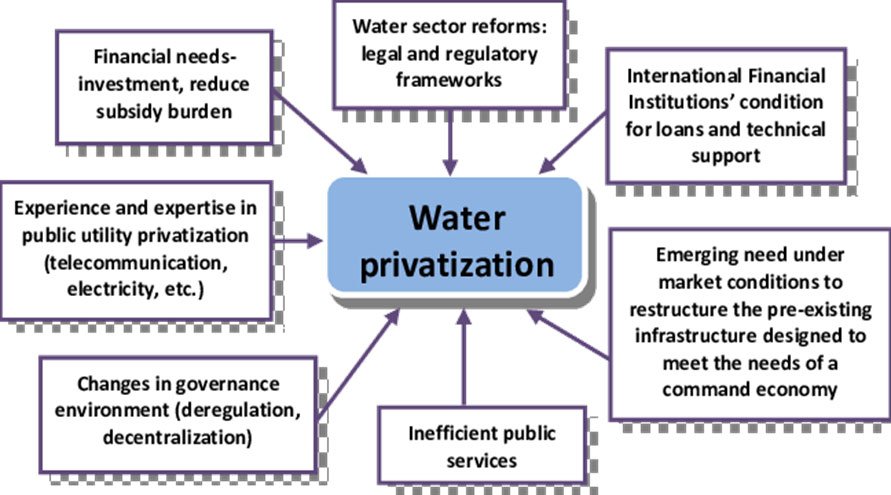
Figure 3.6.1: Photo Credit: Naira Harutyunyan
3.6.1.1. The Human Face of Water Privatization: Models, Promises, and Pitfalls
Water privatization is a high-stakes balancing act between corporate efficiency and the human right to water, where success depends entirely on government regulation. Particularly, when water management shifts from public hands to private enterprise, the daily lives of millions of people change. Especially if poorly managed, it can trigger severe public health crises and social unrest, as seen in Flint, Michigan, and Cochabamba, Bolivia. However, when paired with robust public oversight, private involvement can successfully modernize infrastructure and expand access, as demonstrated in Santiago, Chile, and Manila, Philippines. Ultimately, water cannot be treated purely as a commodity; governments must use a nuanced approach that leverages private investment while strictly protecting transparency, equity, and public rights. Academics and policy analysts heavily study this delicate balance between corporate efficiency and equity, often treating water access not just as a commodity, but as a fundamental human right (Pandey, Kochher, & Yadav, 2025). Here is a look at how water privatization actually works, the promises it holds, and the real-world challenges it creates for communities.
3.6.1.2. The Three Main Models of Privatization
Privatization isn't a one-size-fits-all approach. It ranges from temporary partnerships to total ownership. Societal benefits or pitfalls depend heavily on the specific structural model a government chooses to implement (Lazzarini, 2022).
- Concessions: The Long-Term Lease and Upgrade
In a concession model, a government hands over the keys to its water systems to a private company for a long period—usually 20 to 30 years. While the city or state still technically owns the pipes and treatment plants, the private company is tasked with running them, fixing leaks, and expanding the grid. This model is frequently used in developing nations where local governments don't have the cash to build massive water networks from scratch. - Leases: Running the System, Not Building It
Under a lease agreement, the private company acts more like a tenant. They rent the existing water infrastructure from the government and take over the day-to-day operations: filtering the water, distributing it, and collecting bills. However, the heavy lifting of financing major new infrastructure projects stays on the government's to-do list. - Full Divestiture: Outright Ownership
This is the ultimate form of privatization. The government sells off the water assets entirely—pipes, reservoirs, treatment plants, and all. The private corporation gains full autonomy to run the system as it sees fit. While this can spark massive innovation, it also hands complete control of a life-sustaining resource over to a private board of directors (Grigg, 2025).
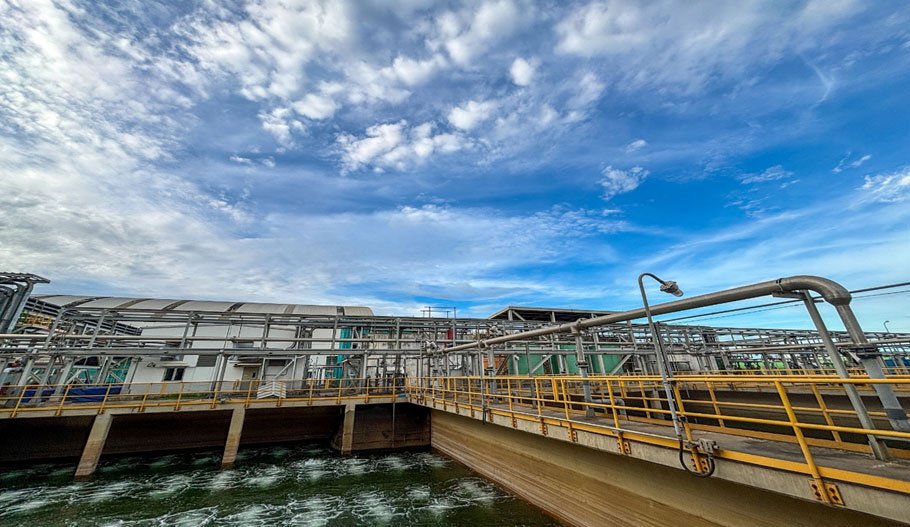
Figure 3.6.2: Modern public water infrastructure requires heavy management and capital. https://www.shutterstock.com/image-photo/water-treatment-plant-infrastructure-under-vibrant-2685273135.
3.6.2. The Potential Benefits of Privatization
When privatization works well, it can breathe new life into struggling public utilities. Proponents argue it brings several human and economic benefits. Private operators frequently introduce advanced technical efficiencies, including accelerated leak-detection systems and optimized management practices that mitigate non-revenue water losses. Such digital transformations, particularly the integration of Geographic Information Systems (GIS), serve as critical mechanisms for optimizing municipal service delivery when effectively deployed by utility operators (Grigg, 2025). Furthermore, where fiscally constrained public sectors fail to maintain aging infrastructure, private capitalization can inject substantial investment into pipeline rehabilitation and state-of-the-art treatment facilities, thereby extending potable water access to previously unserved regions. These private operators are structurally incentivized to meet performance benchmarks, which frequently correlate with stabilized hydraulic pressure, enhanced water quality compliance, and improved customer grievance redressal mechanisms (Swyngedouw, 2005; Dang, 2024; López, 2022). Consequently, transferring the capital-intensive burden of asset maintenance to corporate entities can alleviate public fiscal distress, allowing governments to reallocate tax revenues toward other critical public infrastructure, such as education, healthcare, and transport networks.
Conversely, the mandate for corporate profitability and shareholder returns often manifests in immediate post-privatization tariff escalations. For low-income households, these regressive pricing structures present severe affordability constraints, forcing trade-offs between basic sustenance and commercial water access. Because private capital naturally gravitates toward high-return environments—typically affluent, densely populated urban centers—remote rural localities and marginalized peri-urban neighborhoods risk systematic exclusion due to low profitability, thereby exacerbating spatial and social inequalities (López, 2022). This transition also undermines public accountability; unlike publicly managed utilities, where citizens retain democratic oversight through electoral mechanisms, private management often restricts transparency under the guise of proprietary business operations. Finally, because water distribution constitutes a natural monopoly characterized by high sunk costs and non-substitutable infrastructure, private operators face minimal market competition. Absent stringent regulatory oversight, this insularity can foster rent-seeking behavior, institutional corruption, and a corporate focus on short-term revenue maximization at the expense of long-term asset stabilization, ultimately culminating in supply disruptions and deteriorating water quality (Dang, 2024).

Figure 3.6.3: The ultimate goal of any water system is to ensure reliable, safe, and clean drinking water for families. https://www.shutterstock.com/image-photo/two-children-drinking-clean-filtered-water-2759590867
3.6.2.1. The Shadow Side: Structural Asymmetries and Equity Risks in Privatization
The mandate for corporate profitability and shareholder returns frequently manifests in immediate post-privatization tariff escalations. For low-income households, these regressive pricing structures present severe affordability constraints, forcing critical trade-offs between basic nutritional sustenance and essential utility access. Because private capital naturally gravitates toward high-return environments — typically affluent, densely populated urban centers — remote rural localities and marginalized peri-urban neighborhoods risk systematic infrastructural exclusion due to low commercial viability, thereby compounding spatial and socioeconomic inequalities (López, 2022).
Furthermore, this transition can severely undermine democratic accountability. Unlike publicly managed utilities, where citizens retain institutional recourse through electoral mechanisms, private management often restricts transparency under the legal protections of proprietary business operations, effectively disenfranchising affected communities from public water governance. This issue is compounded by the structural reality that municipal water distribution constitutes a natural monopoly characterized by high sunk costs and non-substitutable infrastructure. Absent robust regulatory frameworks, the lack of market competition can foster rent-seeking behavior, institutional corruption, and a corporate focus on short-term revenue maximization at the expense of long-term asset stabilization. Consequently, empirical evidence from diverse global case studies across Africa and Asia demonstrates that privatization frequently fails to achieve its targeted outcomes, particularly regarding equitable access for vulnerable demographics (Dang, 2024). Without stringent contractual oversight, underinvestment in capital upkeep ultimately culminates in systemic supply disruptions and deteriorating water quality.
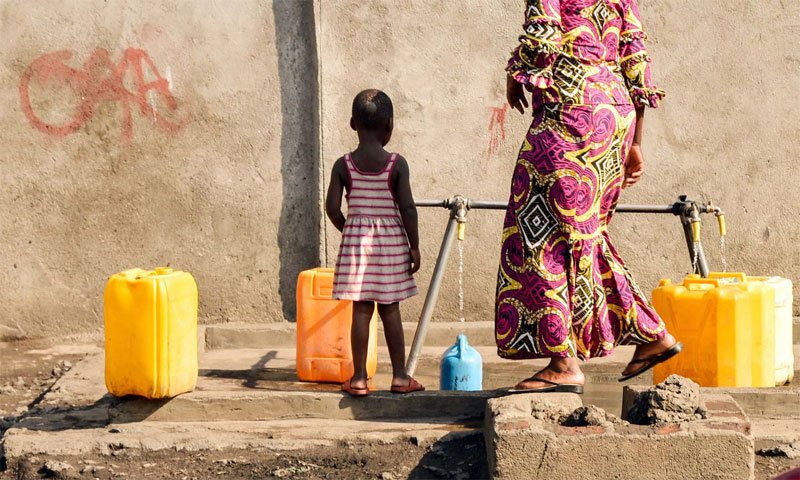
Figure 3.6.4: Treading 18. water: Photograph: Junior D Kannah/AFP/Getty Images. Sources. https://www.theguardian.com/global-development/2015/jan/30/water-privatisation-worldwide-failure-lagos-world-bank
3.6.2.2. Market-Driven Disenfranchisement and Resource Marginalization
When neoliberal, market-based water allocation paradigms are deployed in the Global South, they frequently worsen existing socioeconomic and geographic divides rather than resolving them. In Mexico, market-centric water banking and commercialized privatization consistently prioritize industrial and large-scale agricultural use over equitable municipal distribution, generating severe localized governance gaps (Nava, 2025). This systematic exclusion is mirrored on a global scale; market-driven frameworks establish rigid "hydro-hegemonies" that concentrate decision-making power within corporate-state alliances, leaving peripheral and low-income populations facing severe resource disenfranchisement (Thommandru et al., 2025; Prasad, 2006; Ruiters, 2005).
3.6.2.3. The Financialization of Utilities and Shareholder Imperatives
Converting water infrastructure into a financialized asset shifts corporate accountability away from public welfare and toward global capital markets. In Brazil, private equity-backed water utilities utilize centralized, nationwide regulatory re-engineering to shield their operations from municipal oversight, effectively protecting investor returns from local democratic pressure (Cruxên, 2022). The vulnerability of this model is clearly illustrated by the historical water crisis in São Paulo, Brazil, where a mixed-capital utility structure prioritized shareholder dividend imperatives over ecological realities, functioning as a "Water Bank" that transformed physical scarcity into profound structural and spatial asymmetries (Zambiasi & Costa Ribeiro, 2026). Similarly, empirical tracking of private equity involvement in Britain’s water network demonstrates that highly leveraged, debt-indebted corporate structures introduce severe systemic risks, optimizing short-term financial extractions while neglecting long-term infrastructural upkeep (Bayliss et al., 2023).
3.6.2.4. Erosion of Democratic Accountability and Transparency
The transition from public to private water management fundamentally alters the institutional mechanics of utility oversight. Privatization routinely introduces acute information asymmetries by shielding critical operational data, expenditures, and water quality metrics behind the legal protections of proprietary business secrets (Gonzales, 2023). This loss of transparency dilutes the public voice and weakens the triad of efficiency, equity, and human rights required for sustainable water security (Pandey et al., 2025). When these commercial structures fail, they spark severe crises of substantive justice, as historically demonstrated by the Cochabamba Water War in Bolivia, underscoring the critical necessity for community-led, democratic governance alternatives that resist market exploitation (Calderón & Noelia, 2025; Hall & Lobina, 2006; Heller et al., 2020).
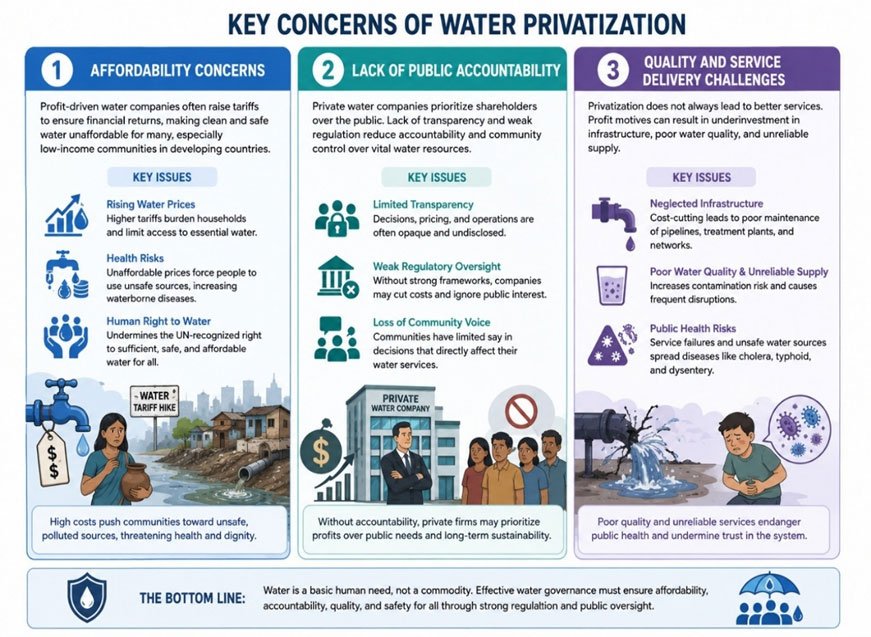
Figure 3.6.5: Key Concerns of Water Privatization. Author generated. Data source: Data source
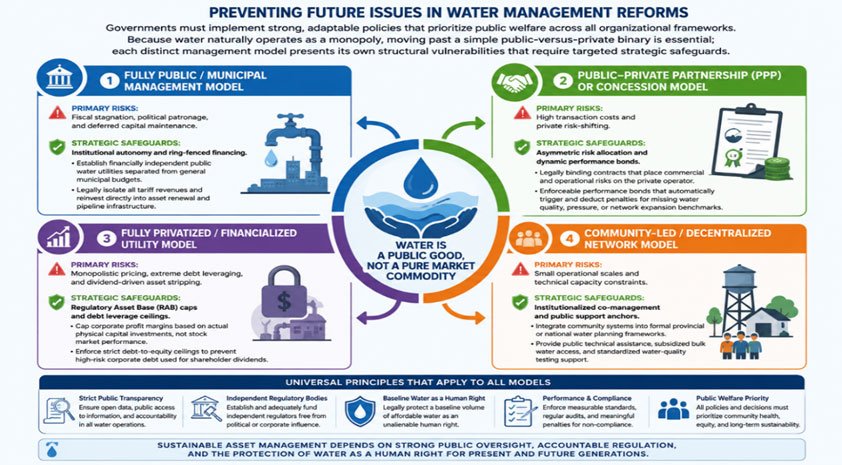
Figure 3.6.6: Water Management Reforms. Dr. Nusrat Yaqoob generated. Source: (Barlow, 2007; Rooney, 2024).
Task for Students
Interactive Discussion: Pros and Cons of Water Privatization
Water privatization remains a highly debated topic worldwide. In some regions, it has led to improved service delivery and increased investment, while in others, it has caused severe affordability issues and social unrest.
Activity:
Think about a city or country where water services have been privatized. Research its experience with privatization and analyze both the positive and negative impacts. Consider factors such as water pricing, service quality, infrastructure investment, and social equity.
Discussion Prompt:
- What do you think are the major advantages and disadvantages of water privatization in this case?
- Did privatization improve or worsen water accessibility and affordability for the population?
- What alternative solutions could be implemented to balance efficiency with public welfare?
Post your thoughts in the discussion Forum W-001 and engage with at least two peers by providing feedback or offering different perspectives.
3.6.2.5. Suggestive Potential Policy Solutions
To prevent such issues in future privatization efforts, governments must implement strong policies that prioritize public welfare. (Castro, 2008; Gleick, 1998). Some potential policy solutions include:
- Governments should ensure that water pricing remains affordable for low-income populations by introducing subsidies or tiered pricing models that charge lower rates for essential water use.
- Instead of full privatization, hybrid models that involve both public and private entities can help balance efficiency with social responsibility. Strict regulations should be put in place to ensure fair pricing, service quality, and accountability.
- Contracts with private companies should include mandatory service provisions for low-income and rural areas, ensuring that all citizens have access to clean water.
- Local communities should have a say in water management decisions through participatory governance structures. Transparency in contracts, pricing, and service policies can help build trust between consumers and service providers.
- Independent regulatory bodies should monitor private operators to prevent unfair pricing, service neglect, and monopolistic practices.
South Africa’s experience highlights the importance of ensuring that privatization efforts do not come at the expense of basic human rights. While private investment in water services can improve efficiency and infrastructure development, governments must establish safeguards to protect the interests of the most vulnerable populations.
In conclusion, water privatization remains a complex and controversial issue. While it has the potential to improve efficiency and attract investment, it also raises serious concerns regarding affordability, equity, accountability, and service quality.
The case of South Africa serves as a powerful reminder that privatization must be carefully managed to ensure that water remains accessible to all, particularly marginalized communities. Moving forward, governments must strike a balance between leveraging private sector efficiency and safeguarding water as a fundamental human right. By implementing fair regulations, transparent governance, and inclusive policies, the challenges of water privatization can be mitigated, ensuring sustainable and equitable access to clean water for all.
3.6.3. Case studies
3.6.3.1. Case Study: Bolivia’s Cochabamba Water War
One of the most notable cases of failed water privatization is the Cochabamba Water War in Bolivia. This case illustrates the severe consequences of privatization when economic, social, and political contexts are not adequately considered.
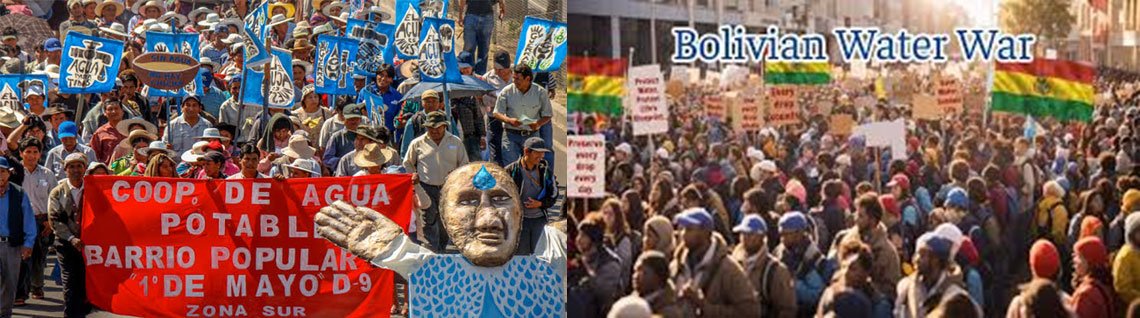
Figure 3.6.7: Source: https://www.internationalmagz.com/articles/cochabamba-water-war-privatization-of-water
I. Background
In the late 1990s, Bolivia, one of South America's poorest nations, faced severe financial challenges. The country had been receiving financial assistance from international institutions such as the World Bank and the International Monetary Fund (IMF), which encouraged economic reforms, including the privatization of public utilities. One of the most significant privatization efforts was in Cochabamba, Bolivia’s third-largest city, where the water supply system was handed over to Aguas del Tunari, a consortium led by the U.S.-based multinational Bechtel Corporation.
Under the agreement, Aguas del Tunari was granted a 40-year contract to manage the city's water services, promising improved infrastructure and efficiency. However, the terms of the contract and its implications for the local population were not adequately disclosed or debated before implementation, leading to one of the most significant social uprisings against water privatization in history.
II. Issues and Public Resistance
Shortly after taking control of Cochabamba’s water services in 1999, Aguas del Tunari significantly increased water tariffs, with some households experiencing price hikes of over 200%. These sharp increases made water unaffordable for many residents, particularly low-income families who were already struggling to meet basic needs. Additionally, the privatization contract imposed strict regulations on water access. New laws prevented residents from collecting rainwater or accessing water from communal wells without permission. These restrictions disproportionately affected indigenous and rural communities that had traditionally relied on natural water sources for their daily needs. The sudden rise in water costs and the infringement on traditional water rights led to widespread anger among the residents of Cochabamba. The local population, including workers, farmers, students, and indigenous groups, organized protests to demand the cancellation of the privatization agreement (Castro, 2008).
III. Protests and Government Response
The protests, known as the Cochabamba Water War, began in early 2000. Demonstrators took to the streets, blocking roads and shutting down parts of the city. The movement was largely led by the Coordinadora de Defensa del Agua y de la Vida (Coalition in Defense of Water and Life), a grassroots organization that united various social groups under a common cause.
As protests escalated, the Bolivian government deployed riot police to suppress dissent. The crackdown led to violent confrontations, with security forces using tear gas and live ammunition against demonstrators. Several people were injured, and at least one protester, a 17-year-old boy named Victor Hugo Daza, was killed by police gunfire, further fueling public outrage.
Despite the government’s heavy-handed response, protests continued to grow, and the unrest paralyzed Cochabamba for months. Faced with mounting pressure, the Bolivian government was eventually forced to annul the contract with Aguas del Tunari in April 2000, returning control of water services to the public sector.
IV. Lessons Learned
The Cochabamba Water War serves as a powerful example of the risks associated with privatizing essential resources without proper consideration of economic, social, and political factors. Key lessons from this case include:
- Public participation concerning the exclusion of local communities from decision-making was a major factor in the failure of privatization. Engaging citizens in governance processes is crucial to ensuring policies align with public interests.
- Affordability safeguard essential resources like water should remain accessible to all citizens. Governments must regulate pricing structures to prevent exploitation and ensure affordability.
- Regulatory oversight advocates that strong legal frameworks and transparent policies are necessary to protect public welfare. Unchecked privatization can lead to profit-driven policies that undermine social equity.
- The role of grassroots movements is that the success of Cochabamba’s residents in reclaiming their water rights highlights the power of organized social resistance in advocating for fundamental human needs.
The Cochabamba Water War remains a landmark case in global discussions on water governance. It demonstrated that water is not merely an economic commodity but a fundamental human right that must be managed with transparency, accountability, and public involvement. While privatization can offer efficiency improvements, it must be carefully regulated to prevent excessive price hikes, exploitation, and social unrest. The Cochabamba experience continues to inspire movements worldwide that advocate for equitable access to water and challenge policies that prioritize corporate profits over human rights.
Task for Students
Scenario-Based Exercise: What Would You Do?
Imagine you are a government official in a developing country considering water privatization. What policies would you implement to ensure fairness and accessibility? Share your ideas in the Forum W-001.
3.6.4. Alternative Approaches to Water Governance
While privatization remains a debated issue, alternative models exist to ensure sustainable and equitable water distribution:
- Public-Private Partnerships (PPPs): Governments collaborate with private firms while maintaining control over pricing and quality standards. This model allows for the leveraging of private-sector efficiency and investment capacity while ensuring that water remains an accessible public good.
- Community-Based Water Management: Local communities manage their own water resources with support from NGOs and government bodies. This approach promotes local ownership, accountability, and sustainable practices, as community members have a vested interest in the effective management of their water resources.
- State-Led Water Reforms: Strengthening public-sector efficiency through investments and transparent governance models. This model focuses on enhancing the capabilities of public institutions to deliver high-quality water services through improved infrastructure, regulatory frameworks, and accountability mechanisms.
References
Bakker, K. (2010). Privatizing water: Governance failure and the world's urban water crisis. Cornell
University Press. https://doi.org/10.7591/9780801463617
Barlow, M. (2007). Blue covenant: The global water crisis and the coming battle for the right to water.
McClelland & Stewart.
Bayliss, K., Van Waeyenberge, E., & Bowles, B. O. L. (2023). Private equity and the regulation of
financialised infrastructure: The case of Macquarie in Britain's water and energy networks. New Political Economy, 28(2), 155–172. https://doi.org/10.1080/13563467.2022.2084521. SOAS Repository
Calderón, G. N. R., & Noelia, A. (2025). The case of water privatization in Bolivia: Substantive justice and
the right to water as a human right / El caso de la privatización del agua en Bolivia: Justicia sustantiva y el derecho al agua como un derecho humano. Crítica de la Justicia Sustantiva, 1(1).
Castro, J. E. (2008). Water struggles, citizenship and governance in Latin America. Development, 51(1),
72–76. https://doi.org/10.1057/palgrave.development.1100440
Cruxên, I. A. (2022). Disordering capital: The politics of business in the business of water provision
[Doctoral dissertation, Massachusetts Institute of Technology]. DSpace@MIT. https://hdl.handle.net/1721.1/143402. MIT DSpace
Dang, T. T. (2024). Public banks and public water in vietnam: Promises and pitfalls. In Public Banks and
Public Water in the Global South (pp. 123-143). Routledge. https://doi.org/10.4324/9781003475767-6.
Gleick, P. H. (1998). The human right to water. Water Policy, 1(5), 487–503.
https://doi.org/10.1016/S1366-7017(99)00008-2
Gonzales, C. (2023). Privatisation of water: New perspectives and future challenges. Public Enterprise,
26(1), 45–62. directly: https://icpe.int.
Grigg, N. S. (2025). Digital transformation in water utilities: Status, challenges, and prospects. Smart
Cities, 8(3), 99. https://doi.org/10.3390/smartcities8030099.
Hall, D., & Lobina, E. (2006). Water as a public service. Public Services International Research Unit
(PSIRU), University of Greenwich. https://gala.gre.ac.uk/id/eprint/2949/1/COMPLETED___Halld2007030.pdf
Heller, L., De Albuquerque, C., Roaf, V., & Jiménez, A. (2020). Overview of 12 years of special rapporteurs
on the human rights to water and sanitation: Looking forward to future challenges. Water, 12(9), Article 2598. https://doi.org/10.3390/w12092598
Lazzarini, S. G. (2022). The Right Privatization: A Comparative Analysis of Public, Private, and Hybrid
Forms of Service Delivery. The Right Privatization: Why Private Firms in Public Initiatives Need Capable Governments (pp. I-Ii). https://doi.org/10.1017/9781009024167.
López, M. (2022). Corporatization and the right to water in Colombia: Conflicts, citizenship and social
inequality. Routledge. https://www.routledge.com. ISBN (9781032129211.
Nava, L. F. (2025). Bridging governance gaps: A political ecology analysis of water challenges in
Guanajuato, Mexico. Sustainability, 17(4), Article 1532. https://doi.org/10.3390/su17041532.
Pandey, A., Kochher, H. S., & Yadav, A. (2025). Water privatization and public rights: Balancing
efficiency, equity, and access to a fundamental human right. Rivers Unbound. Taylor & Francis.
Prasad, N. (2006). Privatisation of water: A historical perspective. Law, Social Justice & Global
Development Journal, 2006(2). https://warwick.ac.uk/fac/soc/law/elj/lgd/2006_2/prasad
Rooney, E. (2024). Failed privatisation in urban water utilities: Can PuPs pick up the pieces? Reviewing
evidence from Dar es Salaam, 2005–2018. Geoforum, 152, Article 103998. https://doi.org/10.1016/j.geoforum.2024.103998. ScienceDirect
Ruiters, G. (Ed.). (2005). The age of commodity: Water privatization in Southern Africa. Earthscan.
https://doi.org/10.4324/9781849772860
Swyngedouw, E. (2005). Dispossessing H₂O: The contested terrain of water privatization. Capitalism
Nature Socialism, 16(1), 81–98. https://doi.org/10.1080/1045575052000335384